
 |
| Saluda River trout fishing last winter |
It was just two weeks ago that I was kayak fishing on the Congaree River in Columbia, occasionally wading through the shallow sections in the 68 degree water. Dressed in my normal summer fishing attire of shorts and Tevas, I soaked up what would become one of the last warm weather days of the season. While the river was a little on the chilly side, the combination of the water and air temperatures was well above the 120 degree mark where things start to get dicey. It is an easy calculation– simply add the water temperature to the air temperature. If this number dips below 120 degrees, the right combination of clothes becomes critical.
I'll assume every kayak angler reading this uses a PFD. While I recommend you wear it all the time, without fail, keep it on during the winter season. I don't think I need to elaborate on why this is crucial in cold water.
For a base layer, I prefer light polyester, capilene or polypropylene long john-style pants. I stay away from standard long johns that tend to be on the bulky side. I use the Terramar brand of thermal base layer pants that sell for $6.99 at Rugged Warehouse in Columbia. They are constructed of high quality 100% polypropylene and have a nice thin design. Whatever you end up purchasing, be sure to read the label and don't buy blends that contain cotton.
 |
| Marmot wool/fleece hat - $9, FTP 80/20 polyester/spandex compression shirt - $5, Terramar 100% poylpro pants - $7 |
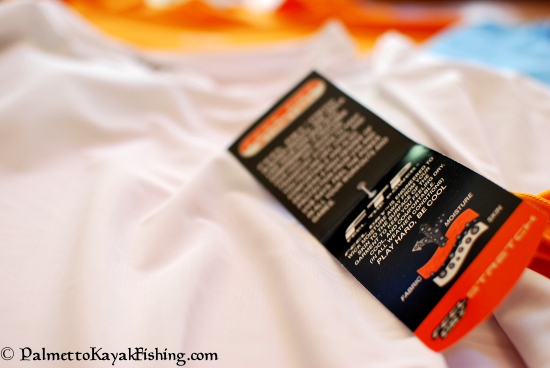
I look for the same materials in the long sleeve shirts I use for my torso base layer. Many folks may already own these style shirts for summertime fishing to block UV rays and stay cool. The purpose of this layer is to wick sweat away from the skin. Again, outfitters like Rugged Warehouse offer these shirts from a variety of different manufacturers at deep discounts. While RW's inventory changes all the time, I can usually find what I need. I picked up a few extra FTP brand long sleeve compression shirts (80% polyester, 20% spandex) this past weekend for just $4.99 each.
 |
| Source: Dick's Sporting Goods - $59.99 Caddis Neoprene Waders |
Caddis Neoprene Chest Waders are available online from Dicks Sporting Goods and make up the key component of my outerwear. At around $60, the price is right and they come in tall sizes as well. I have been using these same waders for over 2 years now. They are durable and quite warm thanks to the 3.5-mm thick neoprene. Although the product picture can be deceiving, these waders are fully footed, waterproof and sealed. Purchase the most inexpensive pair of wading shoes you can find. After all, you'll be sitting down in the kayak and secure footing on riverbed rocks isn't exactly an issue.
I wear an inexpensive ($20) but warm fleece jacket and keep a spare in a waterproof bag in my hatch. To keep the wind and rain at bay, buy a quality 100% waterproof and breathable unlined jacket shell. Outfitters like Sierra Trading Post (take advantage of the coupon codes that are always available) and even Eddie Bauer will offer Gore-Tex like material at low cost. Watch for seasonal sales especially through Eddie Bauer. I use one of EB's "WeatherEdge" jackets for kayak fishing and paid less than $30 for the waterproof/breathable shell that has held up and performed as well as Gore-Tex.
 |
| Eddie Bauer WeatherEdge waterproof/breathable shell - $30, spring clearance sale |
Lastly, make sure you have a quality wool or fleece hat. The great thing about both of these materials is that they insulate even if they get wet. I wear a Marmot wool/fleece blend hat that I picked up at a clothing discount store last year for $9. When it comes to keeping hands warm, I have found that waterproof Neoprene gloves work the best for me. They don't absorb water and insulate well. I've been using the same pair of Remington neoprene gloves for over 12 years now and they are still going strong. If you need extra layers, stick to the basics I have pointed out here. I'll sometimes add an Adidas ClimaLite pullover (clearance section, T.J. Maxx $9) into the mix if I need it. A number of lightweight layers that can be peeled off or put back on as conditions change make all the difference in the world when managing comfort.
This guide should serve as a starting point, simply adjust layers according to your specific needs. Just remember, dress and prepare as though you plan on taking a swim and be sure you are skilled enough to get back into your kayak in case things go south. I have practiced deep water kayak reentry in the summer months wearing waders and a base layer just to make sure I could succeed without issue. If you have any doubt in your abilities, wait until it warms up.
Another good idea is to throw a backup set of clothes in a dry bag so that you are prepared for the worst. When I head out on the Chesapeake Bay, things become a little more extreme than the more urban kayak fishing I do in Columbia. In addition to the extra clothes, I toss in a couple of Pop Tarts, a waterproof/windproof jet style butane lighter, a roll of toilet paper and a tube of alcohol-based hand sanitizer into the dry bag. The last three items will get a fire started quickly even in the most adverse conditions.

